Chevy Impala Years to Avoid – Don’t Buy These Models
Thinking about buying a used Chevy Impala? You’re in good company. The Chevrolet Impala has long been praised as a smooth, spacious full-size sedan, offering a comfortable ride and plenty of power for both road trips and everyday commutes. It’s earned a reputation as a reliable and versatile vehicle over decades on American roads.
However, here’s the reality:
Not every Chevy Impala is a smart buy.
Some model years come with serious pitfalls from nagging reliability issues to costly mechanical failures and frustrating recalls. That’s why we’ve put together this complete guide to help you avoid expensive mistakes. We’ll show you exactly which Chevy Impala years to steer clear of, why those years are problematic, and which model years are the safest bets for your hard-earned money.
Let’s dive in and help you find the best Impala that’s truly worth it.
A Quick Look Back: The Chevy Impala Legacy
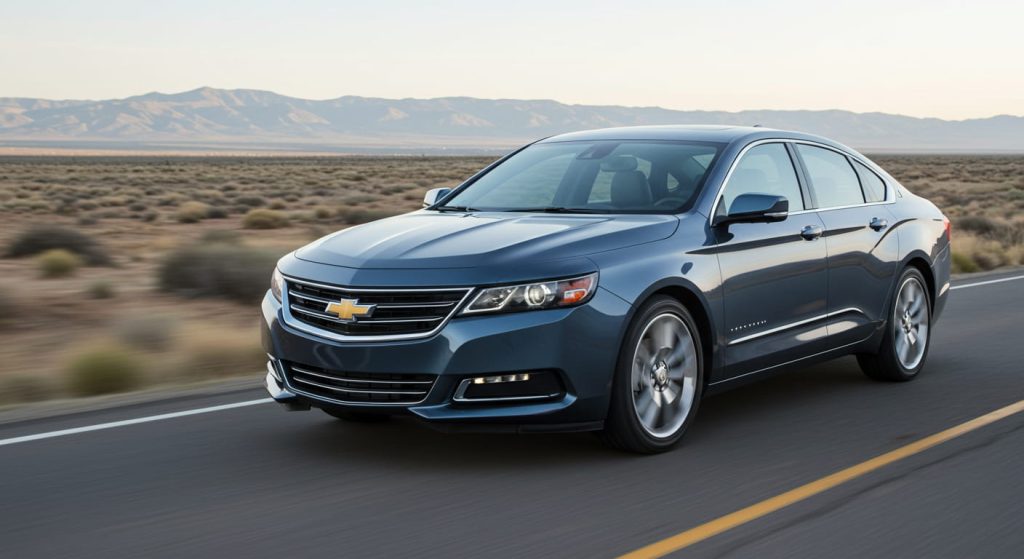
The Chevy Impala was first introduced in 1958 as a symbol of prestige, space, and smooth cruising. It quickly became one of America’s most beloved sedans, often seen as a family staple or a muscle car dream, depending on the era.
But as the years rolled on, especially from the early 2000s onward, some Impala models started showing serious red flags.
And that brings us to the million-dollar question…
Chevy Impala Years to Avoid – Quick Answer
Here are the worst Chevy Impala years to avoid if you’re buying used:
- 2000
- 2001–2005
- 2006–2009
- 2010–2013
- 2014 (some issues)
- 2017 (infotainment problems)
These models have a higher number of complaints, safety issues, and expensive repairs reported by real drivers and mechanics alike.
“I bought a 2003 Impala thinking I got a great deal—until it started stalling on the highway and wouldn’t start some mornings. Turned out to be a faulty passlock system. I spent more on repairs than I did on the car!”
— Tommy J., used car buyer in Michigan
Understanding the Common Chevy Impala Problems
Before we jump into each year, let’s take a moment to understand the main issues that keep popping up with the problematic Impala years.
1. Transmission Failure
One of the most dreaded car repairs. Owners reported:
- Hard shifting
- Gear slipping
- Complete transmission failure
Repairs can cost anywhere between $1,800 to $3,500, depending on the severity.
2. Intake Manifold Gasket Leaks
This affects the engine’s coolant system, often causing:
- Overheating
- Coolant mixing with oil
- Engine failure
3. Passlock Security Issues
A frustrating problem mostly in early 2000s models, where:
- The car won’t start
- The security light stays on
- You’re stuck waiting 10 minutes… hoping it works next time
4. Electrical Failures
Things like:
- Erratic speedometers
- Faulty dash displays
- Power windows and locks not working
Learn more about how intake manifold gasket leaks can ruin your engine.
1. 2000–2005: The Early 2000s Disaster
Worst Year: 2004 Chevy Impala
This era of Impalas is often considered the most unreliable, especially 2000–2004, which were hit hardest by transmission issues, security system bugs, and instrument panel failures.
Common Problems:
- Transmission slipping
- Passlock system failure
- Coolant and oil leaks
- Faulty instrument cluster
- Hard starts and stalling
According to CarComplaints.com, these years received hundreds of owner complaints, with several earning their dreaded “Avoid Like the Plague” and “Beware of the Clunker” badges.
Anecdote:
Imagine you’re running late for work. You get in your 2002 Impala, turn the key… and nothing. The dash blinks, the security light comes on, and you’re stuck. This isn’t just annoying—it’s dangerous if it happens in the wrong place at the wrong time.
2. 2006–2009: The Transmission Nightmare Continues
By 2006, GM had redesigned the Impala with a sleeker body style and updated features. While it looked better, the mechanical problems didn’t disappear.
Known Issues:
- Transmission fails between 80,000 to 100,000 miles
- Engine mounts breaking
- Power steering failure
- High oil consumption
In fact, the 2007 Impala was recalled due to problems with power steering and suspension components, which could increase the risk of a crash.
Why These Years Matter:
Repairs during this time were often more expensive, especially if the engine and transmission both needed attention. You’d think you got a deal—until you’re hit with $4,000 in repairs just months into ownership.
3. 2010–2013: Engine and Suspension Woes
You might assume that by 2010, Chevy had worked out the kinks. Unfortunately, not quite.
Most Reported Problems:
- Worn timing chains
- Suspension issues
- Uneven tire wear
- Cracking dashboards
- Weak door handles
Many of these Impalas used the 3.6L V6 engine, which had timing chain wear problems that, if ignored, could result in complete engine failure.
“I took my 2012 Impala in for a clunking noise. Turns out the shocks and struts were shot and I was getting uneven tire wear. Replaced all four. That was not fun on the wallet.”
— Stephanie M., Phoenix, AZ
4. 2014 Chevy Impala – A Step in the Right Direction
In 2014, the Impala got a major facelift, with:
- Modern infotainment systems
- Improved ride quality
- Better noise insulation
But despite the upgrade, some early bugs still showed up.
Notable Complaints:
- Infotainment glitches
- Premature brake wear
- Cabin quality flaws
While it’s not as troublesome as older models, it’s still better to go for the 2015 or 2016 models where most bugs were fixed.
See what Consumer Reports had to say about the 2014 Impala
Step-by-Step: How to Avoid Buying a Problematic Impala
- Check the VIN
Use services like Carfax or AutoCheck to get accident, flood, and service history. - Look up recalls
Search the NHTSA recall database before you even think about a test drive. - Inspect the car in person
Look for leaks, dashboard warning lights, and test all electronics. Strange noises? Walk away. - Get a mechanic involved
Always get a pre-purchase inspection. Spending $100 now could save you thousands later. - Test drive smart
Drive on highways, local roads, and over bumps. Pay attention to shifting, braking, and steering.
Most Reliable Chevy Impala Years
While the earlier models had their flaws, Chevrolet redeemed the Impala in its later years. In fact, from 2015 to 2020, the car regained its status as a dependable, full-size sedan ideal for families and commuters alike.
2015–2016 Chevy Impala
These models marked a big turning point for the Impala in terms of:
- Build quality
- Drivability
- Engine performance
- Interior tech
With a robust 3.6L V6 engine, improved suspension, and refined interior materials, the 2015–2016 models became fan favorites.
“I picked up a 2016 Impala with 70,000 miles, and it drives like a dream. No issues so far, and it has everything I need in terms of tech and comfort.”
— Lorenzo F., Florida
These models have been positively reviewed by J.D. Power and Edmunds for overall reliability and comfort.
Read More: What Cubic Inch Is a 5.3 Chevy Motor?
2018–2020 Chevy Impala
These final production years offer the most refined and well-rounded Impalas ever made.
Highlights:
- Enhanced infotainment systems
- Apple CarPlay and Android Auto
- Excellent safety ratings
- Stylish, modern design
The 2019 Chevy Impala received high marks for ride quality, driver satisfaction, and reliability.
Step-by-Step Guide to Buying a Used Chevy Impala
Even if you’re looking at the best model years, a used car should be carefully inspected before you make the purchase. Follow this step-by-step guide to avoid costly mistakes.
Step 1: Check the VIN History
Use tools like:
- Carfax
- AutoCheck
These tools help uncover:
- Accident reports
- Service history
- Title issues (e.g., salvage, flood damage)
- Ownership records
Step 2: Look for Open Recalls
Visit the NHTSA Recall Database and enter the VIN or year/make/model to find out if the vehicle has:
- Unresolved recalls
- Safety defects
- Manufacturer service campaigns
Step 3: Ask for Maintenance Records
Look for documentation of:
- Routine oil changes
- Brake services
- Tire rotations
- Coolant flushes
A clean maintenance record is a strong indicator that the car has been well cared for.
Step 4: Get a Pre-Purchase Inspection
Before sealing the deal, hire a certified mechanic to inspect:
- Transmission
- Suspension
- Brakes
- Steering and electrical systems
A pre-purchase inspection usually costs around $100–$150, and could save you thousands in unexpected repairs.
Step 5: Go for a Full Test Drive
Drive in multiple conditions:
- Highways
- City traffic
- Uneven roads
Test:
- Gear shifts
- Brake responsiveness
- Steering feel
- Noise levels
- Touchscreen responsiveness
If anything feels “off,” walk away.
Key Features to Look for in a Used Chevy Impala
| Feature | Why It Matters |
| Low mileage | Indicates less wear on the engine and suspension |
| One-owner vehicle | Usually better maintained |
| Clear title | Avoids flood, rebuilt, or theft-related issues |
| Modern tech | Look for Apple CarPlay, Bluetooth, and backup cameras |
| Service history | Shows the vehicle was well taken care of |
Tip: Use the CoPilot app to find reliable used Impalas and get real-time price comparisons.
Frequently Asked Questions
The 2004 Chevy Impala is notoriously bad. Over 2,000 complaints highlight problems like passlock failure, instrument cluster issues, and transmission slippage.
With proper care, a Chevy Impala can exceed 200,000 miles. Key maintenance includes:
Regular oil changes
Transmission servicing
Coolant and brake fluid checks
Kind of. It was a major redesign year and came with infotainment bugs and brake wear issues. While not the worst, the 2015 model is significantly more refined.
Absolutely — especially 2016 and newer models. They offer:
Spacious interiors
High crash-test scores
Large trunk space
Final Checklist Before You Buy
Here’s your quick-reference shopping guide:
- Choose 2015–2020 model years
- Run a VIN check
- Verify recall status via NHTSA
- Request service records
- Do a pre-purchase inspection
- Go on a thorough test drive
- Check price vs. market value
- Use CoPilot or a similar app for smart shopping
Conclusion: Drive Smarter With the Right Knowledge
Buying a used Chevy Impala can be a smart move — as long as you avoid the problematic years and focus on the most reliable models.
To recap:
- Avoid 2000–2005, 2006–2009, and 2010–2013
- Consider 2015–2020 for the best performance, safety, and reliability
- Always run a VIN check, get a mechanic’s opinion, and test the car thoroughly
By following this guide, you’ll avoid common mistakes and get yourself a dependable, affordable full-size sedan you can enjoy for years to come.
Check Out: 2014 Silverado Oil Type and Capacity