GMC Terrain Years to Avoid So You Don’t Buy the Wrong One
A used GMC Terrain might cost you less, but only if you know which years to skip. Some models had serious problems that cost owners much money and stress. From what I’ve seen, a few specific years stand out for engine trouble, transmission issues, and electrical issues. In this article, we’ll break down the GMC Terrain years to avoid, based on real complaints and trusted auto sources.
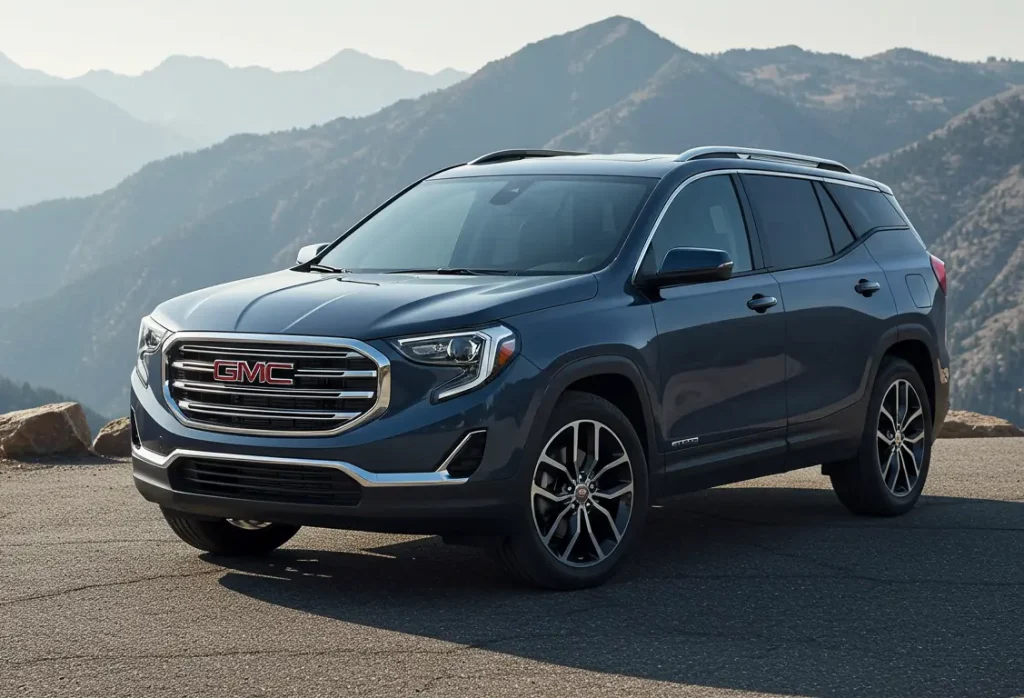
A Quick Look at the GMC Terrain History
The GMC Terrain was first introduced in 2010 as a compact SUV. It was meant to provide comfort, superior fuel economy, and a stronger appearance than other small SUVs. GMC upgraded the Terrain over time, adding new features, engines, and safety technology.
The second version debuted in 2018 with a more streamlined look and better handling. However, not every year has gone smoothly. Some models experienced major issues, particularly in the early years.
GMC Terrain Years to Avoid
Knowing what year GMC Terrain to avoid will help you stay away from expensive repairs in the future. Just avoid the following model years:
2010 GMC Terrain
The 2010 GMC Terrain is well-known for its serious engine issues, particularly with excessive oil consumption that resulted in full engine failure. Many drivers noticed sudden stalling during driving, which was very serious safety concern on the highway. This vehicle has one of the largest quantities of customer complaints in the Terrain series.
2011 GMC Terrain
Similar to the 2010 model, the 2011 GMC Terrain had severe engine performance problems, such as burning oil too rapidly and causing long-term engine damage. Apart from engine problems, drivers also experienced constant transmission slipping and stalling when changing gears. Such issues made the 2011 model unreliable and costly to maintain in the long run.
2012 GMC Terrain
By 2012, GMC had not completely remedied the oil consumption problem, and owners reported needing to replenish oil every few hundred miles or risk engine failure. The vehicle also developed severe electrical problems, including nonfunctioning dashboard lights, inoperable power locks, and frozen-up infotainment systems. Repair bills quickly mounted, and this model got low satisfaction ratings among experts and drivers alike.
2013 GMC Terrain
Despite the 2013 model’s improvements, it still suffered from the same inherent engine problems that affected earlier models. Owners complained about excessive cabin noise, rough rides, and a lack of refinement compared to its rivals. This wasn’t the worst model year; it still lacked the reliability and comfort its customers expected from an SUV.
Also Read: Chevy Trax Years to Avoid
Common Problems in These Bad Model Years
Five of the most common issues seen in GMC Terrain’s worst model years were:
Excessive Oil Consumption
2010–2012 GMC Terrain vehicles were known for consuming oil at a rate much higher than usual. Owners needed to top off oil between regular changes simply to prevent engine damage. If left unchecked, this problem could cause engine failure and expensive repairs.
Engine Stalling and Failure
Due to the oil consumption issues, engines in such models would occasionally stall while on the move or outright fail. This would result in dangerous conditions, particularly on the highway or during heavy traffic. It takes a lot of money to replace or repair the engine.
Transmission Slipping and Rough Shifting
Some owners of the 2011 and 2012 Terrain reported transmissions that slipped gears or hesitated before shifting. These problems made acceleration unpredictable and driving uncomfortable. In most cases, full transmission replacements were required.
Electrical System Failures
2012 and 2013 models had electrical issues such as malfunctioning dashboard lights, locks, and windows losing power. Some drivers also reported the infotainment systems as freezing or even booting in mid-use at times. Small flaws like this became a displeasing driving experience.
Poor Ride Quality and Cabin Noise
Even in some of the less bad model years, most drivers complained of cabin noise and vibrations during driving. The Terrain was advertised as a smooth SUV, but these problems made it rough and less refined. It did not live up to the smooth ride people wanted from a new car.
Years That Are Considered Safe to Buy
If we look at GMC Terrain reliability by year, it’s best to buy models released after 2015.
2016 GMC Terrain
The 2016 model had new styling, improved safety features, and fewer engine issues than previous models. Most drivers experienced a smoother ride and better fuel efficiency, particularly with the 4-cylinder engine. It was also included in a refresh year, which resolved many of the older issues.
2018 GMC Terrain
GMC changed the Terrain completely in 2018 by introducing the second generation. The new model added turbocharged engines, refined interior materials, and better tech such as Apple CarPlay and Android Auto. Reliability ratings from sources such as U.S. News were considerably improved over previous models.
2020 GMC Terrain and Newer
By 2020, GMC continued refining the Terrain with more standard safety features and fewer mechanical complaints. Buyers liked its quiet cabin, good fuel economy, and improved reliability ratings. I’ve seen that these models are much safer bets for long-term ownership.
Related Read: What Is the 2018 Silverado 5.3 Oil Capacity
Tips for Buying a Used GMC Terrain
So you have made up your mind about buying a GMC Terrain? Take the following tips first:
Check the Vehicle History Report
Always request a complete vehicle history report when purchasing a used Terrain. The report will show previous accidents, maintenance records, and whether the vehicle underwent repairs. It saves you from buying vehicles with concealed issues or flooding.
Avoid the 2010–2013 Models
The 2010 to 2013 models have been associated with severe engine and transmission problems. Many actual owners have reported costly repairs and consistent issues. Without full documentation of engine replacement or upgrade, it’s better to avoid these years.
Check for Oil and Engine Problems
Before buying, check under the hood for oil leaks and inquire if the engine burns oil. You can even question the seller if they have had to top off oil often between oil changes. These little questions will keep you away from huge engine repair costs later.
Check for Low Mileage and Service Records
Always look for a car with lower mileage and a complete maintenance history available. Regular oil changes, brake inspections, and transmission work show that the car’s owner took good care of it. When interacting with actual buyers, those who used their cars well experienced fewer complaints.
Get a Pre-Purchase Inspection
Most of us don’t consider this until it becomes an issue, but a mechanic’s check can uncover problems you can’t. A certified mechanic can check the engine, transmission, brakes, and electronics for a nominal fee. It’s a good idea, particularly with older models.
Conclusion
The GMC Terrain is a dependable SUV, but there have been some severe issues in recent years. Models from 2010 to 2013 are known for engine, transmission, and electrical problems that can cost thousands to repair.
If you’re looking for a used Terrain, go with newer models from 2016 to 2018. Always check the vehicle’s history and get a thorough checkup before buying. A little research now can save you from major issues later.
Check Out: Chevy Equinox Years to Avoid
FAQs
Check for signs such as oil leaks underneath the vehicle or question whether the car uses oil rapidly. A vehicle history report and a pre-purchase inspection by a mechanic will also be useful.
Although the 2013 model has some refinements, it also continues to deal with residual engine and cabin noise. If considering a 2013 Terrain, make sure it’s got a proper maintenance record and have a mechanic check it to prevent concealed faults.
Stick to models from 2016 and later, and make sure to check the vehicle history report and ask for maintenance records.